
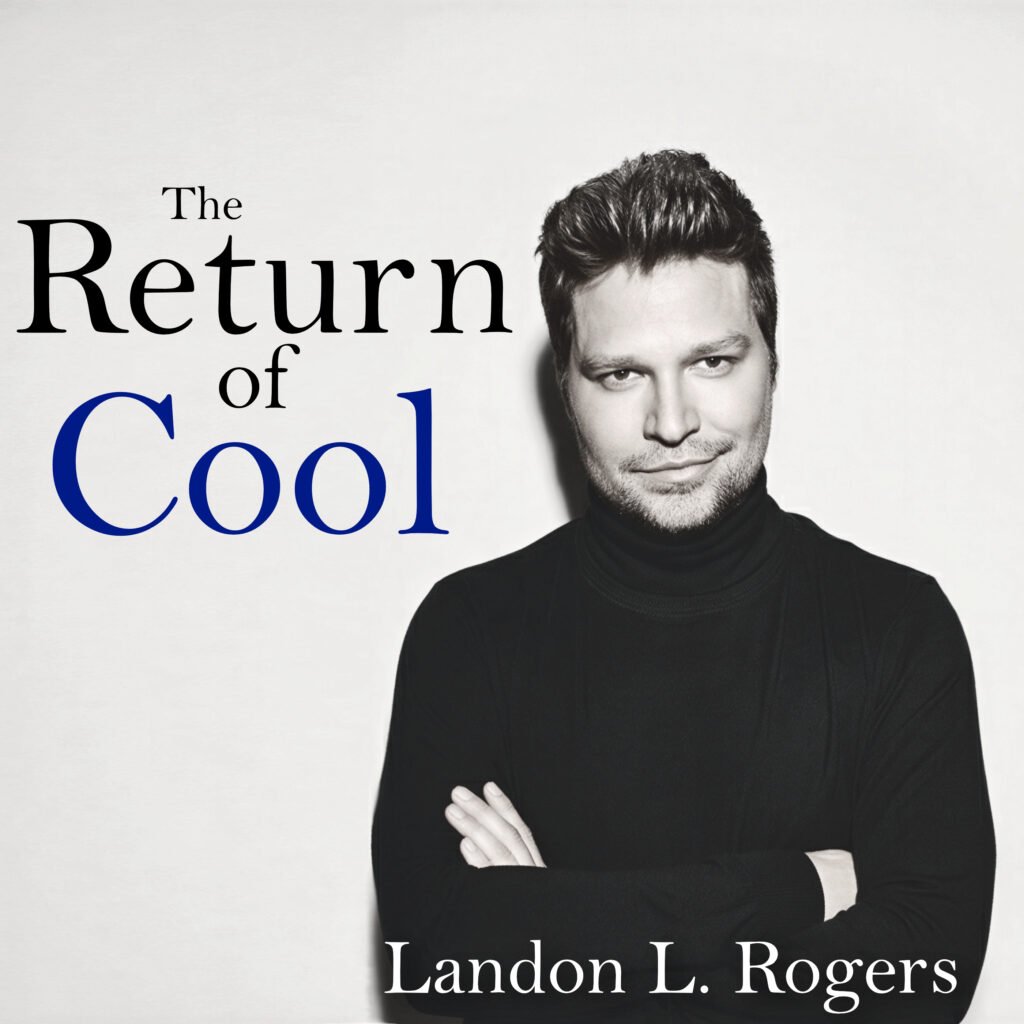
Los Angeles – In a music landscape obsessed with instant hooks, playlist‑friendly beats, and AI‑generated filler, Landon L. Rogers just did something borderline rebellious: he made a cool‑jazz record. And not a retro cosplay or a museum‑grade tribute. The Return of Cool is a fully realized, meticulously crafted, quietly daring album that reminds you what happens when an artist actually knows how to compose—really compose.
Rogers has always been a shapeshifter. Rock fans know him for the high‑octane punch of tracks like One Last Hurrah, where he spits fire over guitar riffs sharp enough to cut glass. But this album is a different beast entirely. Here, he trades swagger for subtlety, distortion for atmosphere, and volume for intention. The result is one of the most distinctive jazz releases in years.
A Composer’s Album in a Performer’s World
What sets The Return of Cool apart is its architecture. Rogers isn’t stacking loops or chasing trends—he’s building rooms, hallways, and entire emotional neighborhoods. Each track feels like a carefully designed space, shaped by motif, mood, and minimalism. The compositions breathe. They unfold. They trust the listener to sit still long enough to feel something.
This is the kind of musical patience that’s almost extinct.
The Piano: Understated, Precise, and Shockingly Confident
Rogers’ piano work is the album’s gravitational center. He plays with a feather‑light touch, but every chord is intentional. His voicings are open and airy, the kind that leave space for the listener’s imagination to fill in the emotional color. There’s no showboating here—just a deep understanding of harmony and restraint.
It’s the kind of playing that says: I don’t need to prove anything. I just need to say something true.
The Guitar: A Painter’s Tool, Not a Weapon
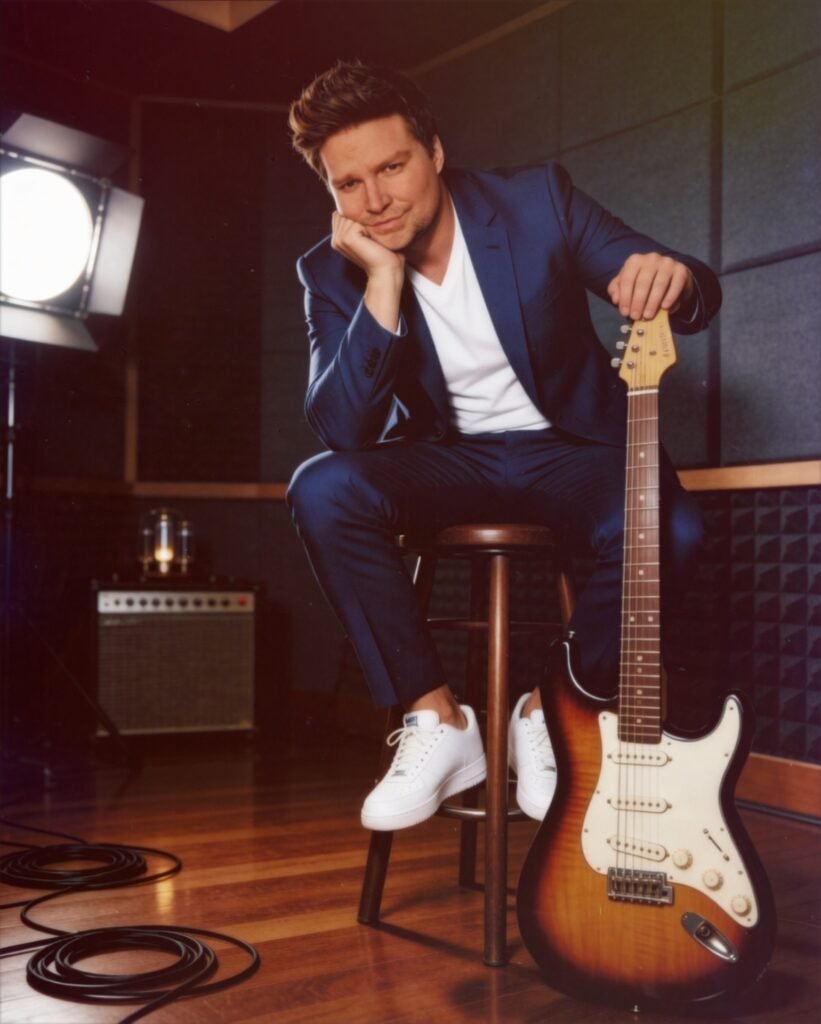
Fans expecting the guitar heroics of his rock catalog will find something more refined here. Rogers uses the guitar sparingly, almost like a watercolor brush. A riff appears, dissolves, returns in a new shade. A melodic fragment drifts through the mix like smoke. It’s subtle, but it’s essential. The guitar becomes a textural counterpoint to the piano—warm where the keys are cool, earthy where the chords are airy.
This is minimalism with purpose, not minimalism for its own sake.
Cool‑Jazz Without the Costume
Plenty of artists try to “bring back” a genre by imitating its greatest hits. Rogers avoids that trap entirely. The Return of Cool nods to the legends—Evans, Brubeck, Mulligan—but never impersonates them. Instead, he uses the genre’s DNA to build something new: slow tempos, soft swing, atmospheric harmonies, and motifs that return like half‑remembered dreams.
It’s cool‑jazz for a generation raised on overstimulation.
A Rare Modern Polymath
Here’s the part that readers will appreciate: Rogers is doing everything himself. Composition. Arrangement. Piano. Guitar. The whole ecosystem. In an era where most albums are stitched together by committees of producers, co‑writers, and anonymous session players, The Return of Cool feels almost radical in its singularity.
This is the same artist who can deliver a rock anthem with teeth and then turn around and craft a jazz suite with the patience of a classical composer. That kind of range is nearly extinct.
A Future Classic in a Disposable Age
Will The Return of Cool dominate TikTok? Probably not. But will it be remembered? Absolutely. This is the kind of album musicians study, critics revisit, and fans rediscover years later when they’re tired of the noise and hungry for something real.
It’s a reminder that cool isn’t a trend. It’s a discipline. And Landon L. Rogers has mastered it.
This review is provided courtesy of ‘The High Life Music Magazine’